
If your PCOS diagnosis came with a birth control prescription and nothing else, you already know the frustration: the pill masks symptoms but never touches insulin resistance, androgen excess, or the inflammation driving the whole pattern. Functional medicine for PCOS builds a plan around your specific hormone and metabolic labs instead.
- Comprehensive hormone and insulin panels are non-negotiable for functional medicine for PCOS in 2026 — Priority.
- Phenotype-specific insulin resistance protocols address the root driver in most PCOS cases — Priority.
- Supplement stacks without lab testing waste months — Skip.
- Birth control alone manages symptoms but skips metabolic root causes — Consider only as a bridge, not the plan.
- Gut and inflammation workups matter for women with digestive symptoms alongside PCOS — Consider.
Why this matters
PCOS affects an estimated 8-13% of women of reproductive age, according to the World Health Organization's 2023 factsheet, and up to 70% of cases go undiagnosed. Conventional care often stops at an ultrasound and an LH/FSH ratio, then hands you a prescription. That leaves the metabolic drivers — insulin resistance, androgen excess, chronic low-grade inflammation — untested and untreated.
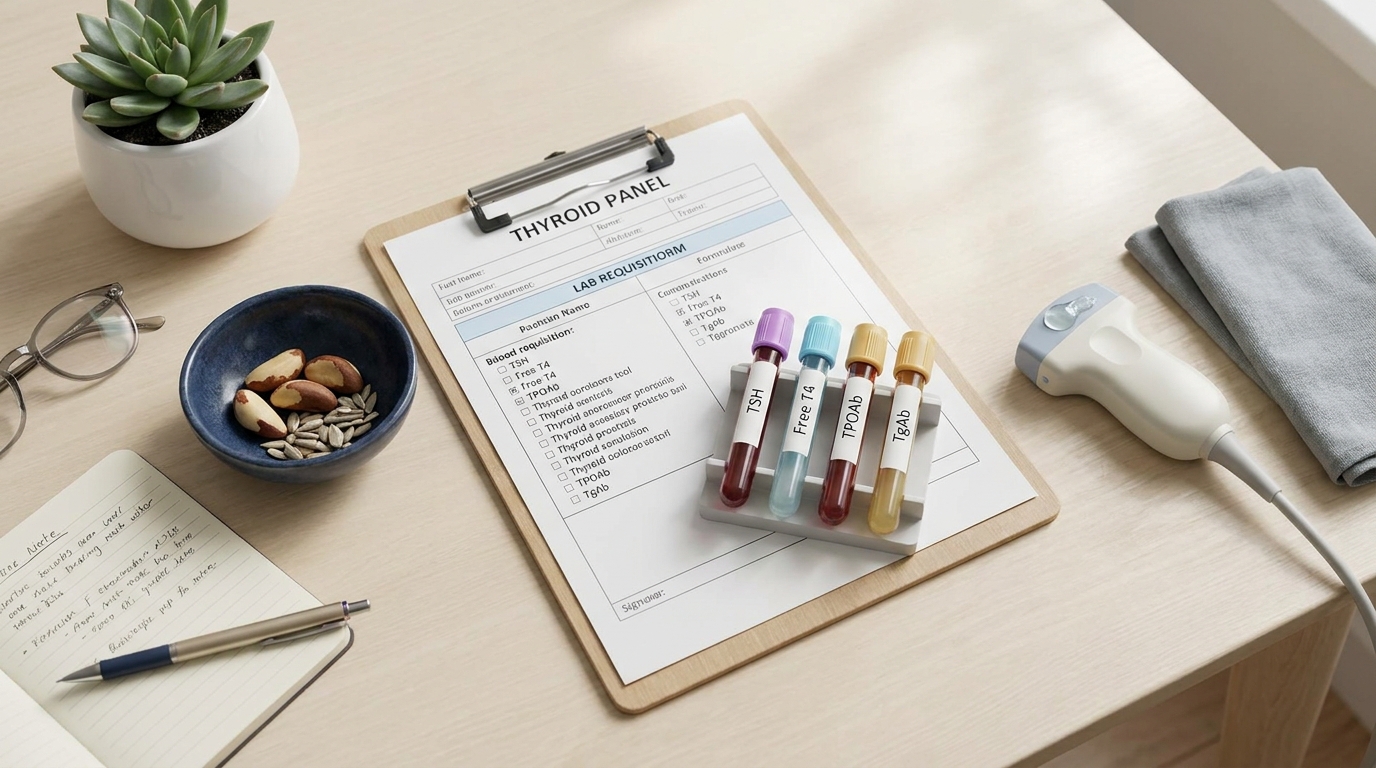
Naturamed's functional medicine team builds PCOS protocols around expanded lab panels: fasting insulin, HOMA-IR, free and total testosterone, DHEA-S, SHBG, and thyroid markers, layered with symptom timeline and, when relevant, gut testing. The goal in 2026 isn't a faster diagnosis — it's a plan that matches your specific PCOS phenotype instead of a one-size-fits-all prescription.
Who this is for
This guide is for women already diagnosed with PCOS — or told they "probably have it" after one ultrasound — who want to know what a root-cause workup actually includes before booking anything. It's also for women whose labs came back "normal" on a basic panel but who still deal with irregular cycles, stubborn weight gain, acne, or hair thinning. If you've tried the pill, tried cutting carbs on your own, and neither moved the needle, the criteria below tell you what a more complete evaluation looks for.
What to look for in functional medicine for PCOS
Testing depth beyond LH/FSH
A ratio of luteinizing hormone to follicle-stimulating hormone tells you almost nothing about insulin resistance or androgen load — the two drivers behind most PCOS symptoms. Look for panels that include fasting insulin, glucose, HOMA-IR, free testosterone, DHEA-S, and SHBG, not just a repeat of what your OB-GYN already ran.
Root-cause framing over symptom suppression
Birth control regulates a cycle without changing the metabolic pattern underneath it. A functional medicine for PCOS protocol should name which mechanism — insulin resistance, adrenal androgen excess, post-pill rebound, or chronic inflammation — is driving your specific presentation, then treat that mechanism directly.
Personalization to your PCOS phenotype
Not every PCOS case looks the same. Insulin-resistant PCOS, lean PCOS, post-pill PCOS, and inflammatory PCOS each respond to different interventions. A protocol that prescribes the same supplement stack and the same diet to every patient regardless of labs is a red flag, not a personalized plan.
Integration of gut and inflammation markers
Digestive symptoms — bloating, irregular bowel habits, food sensitivities — show up often alongside PCOS, and unresolved gut inflammation can keep insulin resistance from improving even with the right diet changes. Look for a clinic willing to test for this connection instead of treating hormones and gut symptoms as separate problems.
Timeline and retesting cadence
Functional medicine for PCOS is not a one-visit fix. A credible protocol sets expectations up front — typically 12 weeks to a first retest, with adjustments over three to six months based on what the labs show, not on how you feel in week two.
Telemedicine access without losing lab quality
If in-person visits in Maitland or Orlando aren't practical, confirm the clinic can run the same comprehensive panels through telemedicine in your state. Naturamed offers this across Florida, Michigan, and Texas, which matters if you want the same testing depth without relocating your care.
Top picks: what a functional medicine for PCOS protocol should include
1. Comprehensive hormone and metabolic panel — the non-negotiable This panel measures fasting insulin, glucose, HOMA-IR, free and total testosterone, DHEA-S, SHBG, and thyroid markers in one draw, with results typically back in 7-10 days. Without this, you're guessing at your PCOS phenotype instead of confirming it. Verdict: Priority.
2. Insulin resistance protocol matched to your labs — the metabolic root Insulin resistance underlies the majority of PCOS presentations, and a protocol built from your HOMA-IR score and fasting insulin — not a generic low-carb handout — targets the mechanism directly. This is where most of the symptom improvement in 2026 protocols comes from: cycle regularity, easier weight management, clearer skin. Verdict: Priority.
3. Gut and inflammation workup — the overlooked layer For women with concurrent bloating, irregular digestion, or food reactions, testing for gut dysfunction alongside hormone panels catches a driver that hormone-only protocols miss entirely. It adds a step, but skipping it when digestive symptoms are present usually means slower progress on the metabolic side too. Verdict: Consider.
4. Birth control as the sole management strategy The pill regulates bleeding and can clear acne short-term, but it does not change insulin resistance, DHEA-S, or the underlying androgen pattern — stop it and symptoms typically return unchanged. As a stand-alone long-term PCOS strategy in 2026, it leaves the root cause untouched. Verdict: Skip as a complete plan.
5. Supplement stack without any lab testing Inositol, spearmint tea, and vitamin D show up in nearly every PCOS forum thread, and some have real evidence behind them — but dosing blind, without insulin or androgen labs to confirm what's actually elevated, wastes months you could spend on a targeted protocol. Verdict: Skip until tested.
Get your PCOS labs reviewed
Comprehensive hormone and metabolic testing built around your phenotype, not a generic panel.
What to avoid
- Ultrasound-only diagnosis. Ovarian cysts on imaging confirm one Rotterdam criterion, not your metabolic phenotype — a diagnosis without labs tells you nothing about how to treat it.
- Generic "hormone balance" supplement bundles. Marketed broadly for PCOS, PMS, and menopause alike, these rarely match the specific androgen or insulin pattern shown on your labs.
- One-size-fits-all low-carb plans. Lean PCOS and insulin-resistant PCOS respond differently to carbohydrate restriction — a plan that ignores your HOMA-IR score is guessing.
Verdict comparison
| Approach | Testing depth | Personalized to phenotype | Timeline set | Verdict |
|---|---|---|---|---|
| Comprehensive hormone/metabolic panel | Full | Yes | 7-10 days for results | Priority |
| Insulin resistance protocol | Full | Yes | 12 weeks to retest | Priority |
| Gut/inflammation workup | Moderate | Partial | 8-12 weeks | Consider |
| Birth control only | Minimal | No | Ongoing, no retest | Skip as sole plan |
| Supplement stack, no testing | None | No | Undefined | Skip |
FAQ
What is functional medicine for PCOS?
Functional medicine for PCOS uses expanded lab testing — fasting insulin, androgens, thyroid, and sometimes gut markers — to identify your specific PCOS phenotype, then builds a protocol around that mechanism instead of prescribing birth control by default. It typically runs 12 weeks to a first retest.
Is functional medicine effective for PCOS?
It's effective when the underlying driver — insulin resistance, androgen excess, or inflammation — is identified through testing and directly targeted. Results depend on adherence to the protocol and retesting cadence, usually assessed at 12 weeks and again at three to six months.
What tests are used to diagnose PCOS in functional medicine?
A functional medicine workup for PCOS typically includes fasting insulin, glucose, HOMA-IR, free and total testosterone, DHEA-S, SHBG, and thyroid panels, sometimes paired with gut testing if digestive symptoms are present. This goes beyond the LH/FSH ratio used in many conventional diagnoses.
How much does functional medicine for PCOS cost?
Cost varies by the testing panel ordered and whether visits are in-person or telemedicine — check current pricing directly with the clinic before booking. Insurance coverage for functional medicine consults and specialty labs varies by plan.
How long does it take to see results with functional medicine for PCOS?
Most protocols set the first retest at 12 weeks, with meaningful changes in cycle regularity or symptoms often visible by then. Full metabolic improvement, including HOMA-IR normalization, can take three to six months.
Can functional medicine help with PCOS weight loss?
Weight loss resistance in PCOS is usually driven by insulin resistance, not willpower, so a protocol that targets insulin directly tends to move the scale where diet alone hasn't. Results depend on how closely the protocol matches your specific labs.
Is functional medicine for PCOS covered by insurance?
Coverage depends on your specific plan and whether the clinic bills insurance for consults versus specialty lab panels — confirm directly before your first visit. Telemedicine coverage also varies by state.
What's the difference between functional medicine and conventional treatment for PCOS?
Conventional treatment for PCOS often starts and ends with birth control after an ultrasound and basic bloodwork. Functional medicine adds expanded insulin, androgen, and sometimes gut testing to identify the specific mechanism driving your case before building a protocol.
One last thing
Many women with PCOS get told their labs are "normal" because the panel run only covered LH, FSH, and a standard glucose check — none of which catch elevated fasting insulin or a HOMA-IR score in the insulin-resistant range. The lab work you're missing is often more diagnostic than the ultrasound that started the conversation. In 2026, ask specifically for fasting insulin and HOMA-IR before accepting a "normal labs" verdict at face value.